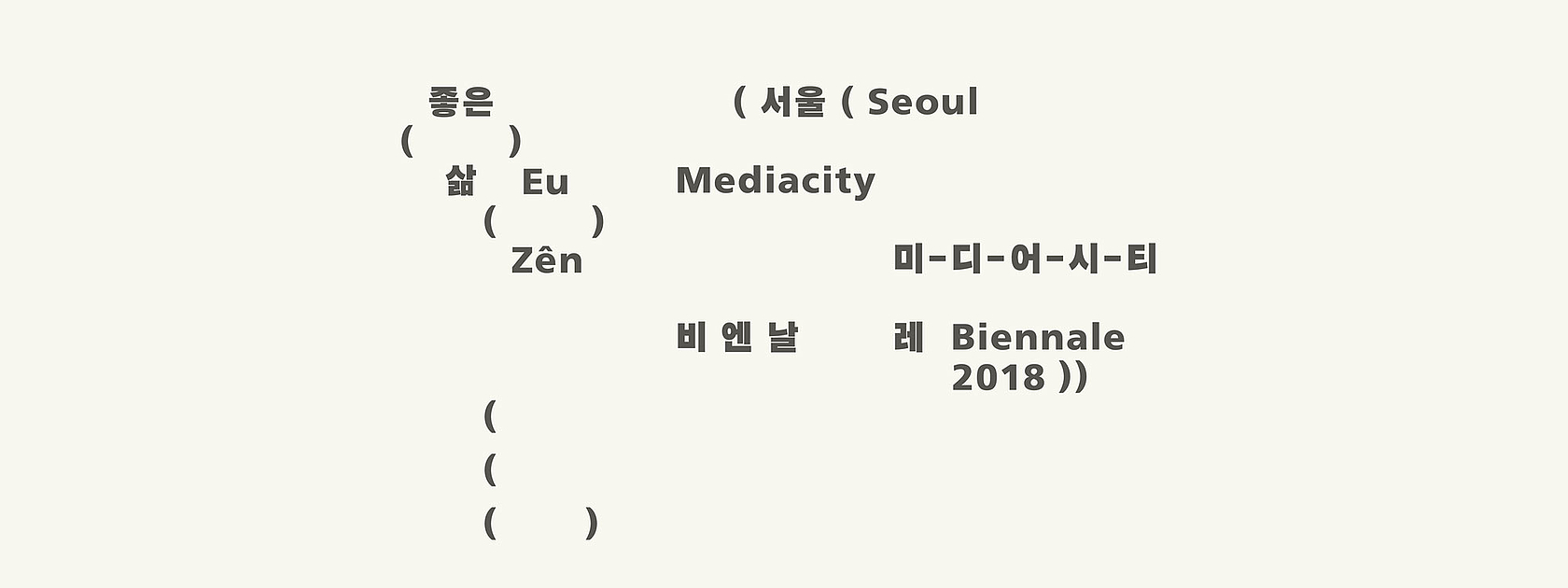
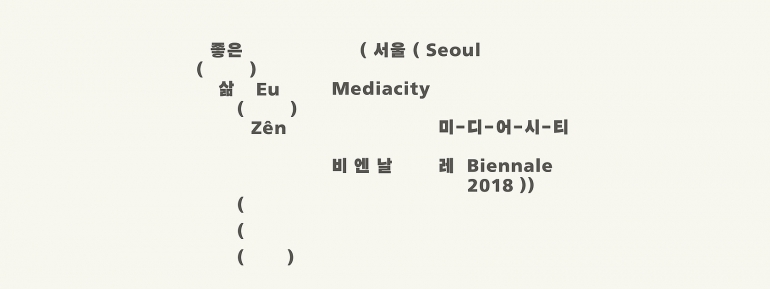
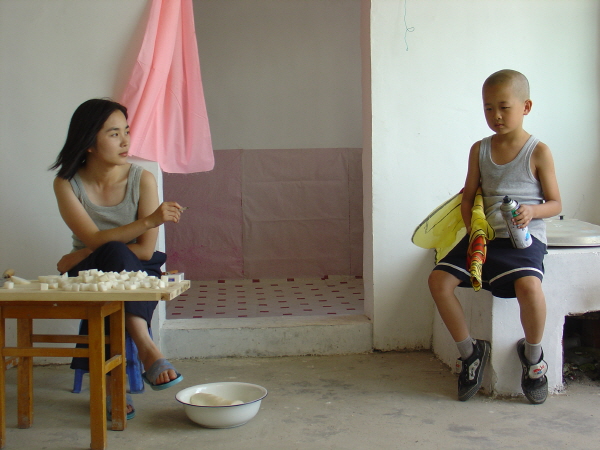
Eu Zên (Living Well)
The ancient Greeks of Athens had asked themselves, “what is a good life (eu zen)?” “Good life” is the ultimate and precious goal pursued by all in our lives, but surprisingly enough, it is one of the topics people tend to avoid thinking or talking about. Athenians had been living in a small seaside village but had to live through all kinds of turbulent events such as civil conflicts, revolutions, and wars over centuries, until they could claim their Mediterranean territory. After they had finally achieved their status of marine empire, the Athenians could not help thinking of what a good life is for them. Over the difficult times, the wealthy and the poor became archenemies, once modest villagers became murderers blinded by gold and money, while mass killings and waging wars became the norm, and all the tradition and law once believed to be the duty conferred by God became worthless as a piece of paper. . . . As such, the fundamentals of life had met severe bouleversements, hence nothing could be predicted. For the people at a loss for how to live their lives thereafter, the only compass for regaining the lost path was to ask themselves what a “good life” is.
Even today, the compass of “good life” is such a desperately cherished value as well. In the 21st century, especially well into the 2010s, our world has seen fundamental changes. New industrial revolutionary flow has changed our material and mental lifestyle from the very roots. Young and old generations all face new situations or calamities that cannot be coped at all with hitherto manners of living. Not to mention the livelihood of Earth itself facing imminent collapse due to climate change and extinction of living beings. As of now, numerous things which we had cherished as being the utmost precious to us are being ruined in vain. In the midst of all this, we are witnessing the process of human evolution, a transition of becoming some sort of a new being, mentally and physically speaking. In this era of overall transformation where all your bearings are lost, there is a sole question left which we cling on to in order to regain our path: “what is a good life?”
Only God and animals could answer this question by themselves, and we humans should gather and share our thoughts and minds. Therefore Athenians had made their “agora” in the middle of their city and shared endless stories there. Politics or war, such big-scale public issues are fine topics. Talking about one’s desire or dream, such personal intimate stories are welcome, as well. During the time all such grandiose or trivial stories mingle with each other, we gradually learn to cultivate our own ideas of what a “good life” is, how it would look like. Such discussions could take all kinds of forms. In this futile world where everything changes at a scary speed, our intuition on how we are changing or how we can change or how we should change can all be captured and expressed through countless forms via speech, writing, drawing, sculpture, dance and song.
We invite you to the “agora” where we will be discussing the “good life” theme which we have prepared as an exhibition. This place we are living in is changing as of now, and the discussions will lead us to understand how the world has changed already and how we have evolved accordingly. We have no intention of presenting what an ultimate “good life” should look like nor are we capable to. We are simply unveiling the mysterious pieces of “good life” or Eudaimonia in the future bit by bit, which appear vaguely only in our imagination and intuition, once in a while. It is your role to create a picture of your own “good life” by collecting such bits and pieces. We are willing to provide you with the platform where you can link together and patch up the fragments. Upon the question of what a “good life” is, there cannot be a more knowledgeable or less so person. We hereupon daringly invite you all to convene in “Seoul Mediacity Biennale 2018” to bring each other’s mind and heart together.
Directorial Collective
Gibin Hong, Kyung Yong Lim, Jang Un Kim, Nam Soo Kim
☆Donation:
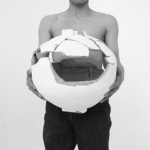

Cost of Sojourn: Survival and actions revealed in unspecific sites

London Design Festival 2023

Welcome to T/C Latvia : Latvian pavilion at Venice Biennale
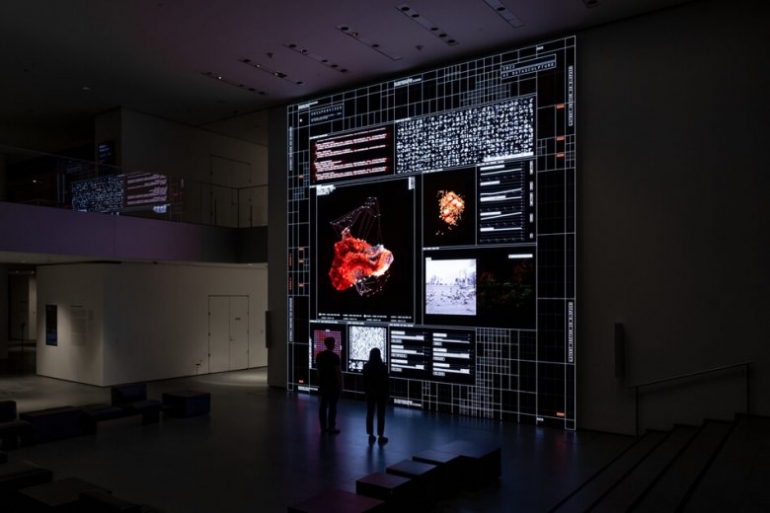
Unsupervised, Refik Anadol
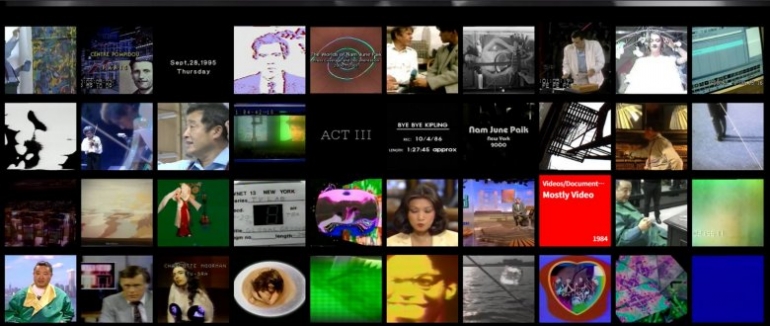
Paik’s Video Study - Nam June Paik Art Center
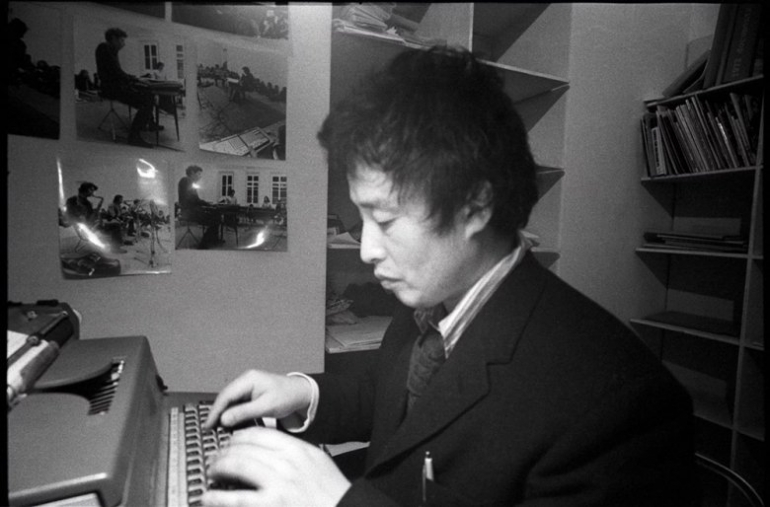
THE CONSULTANT: PAIK’S PAPERS 1968-1979
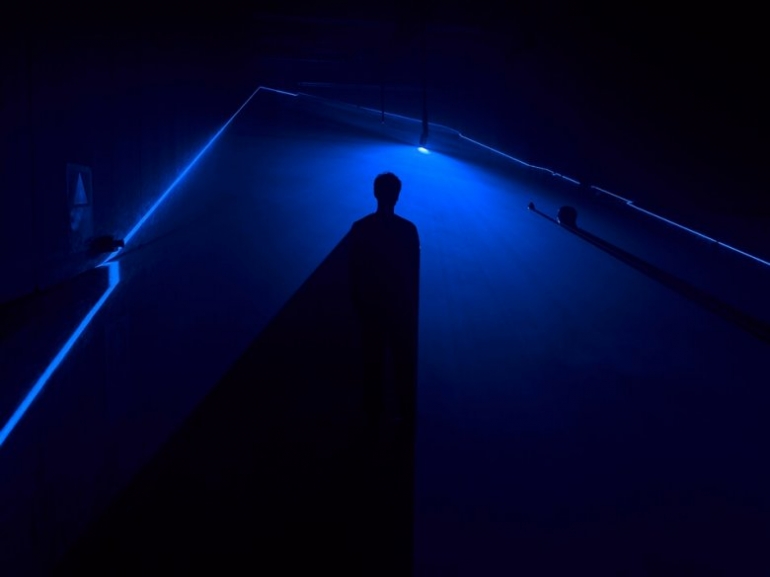
Future Shock
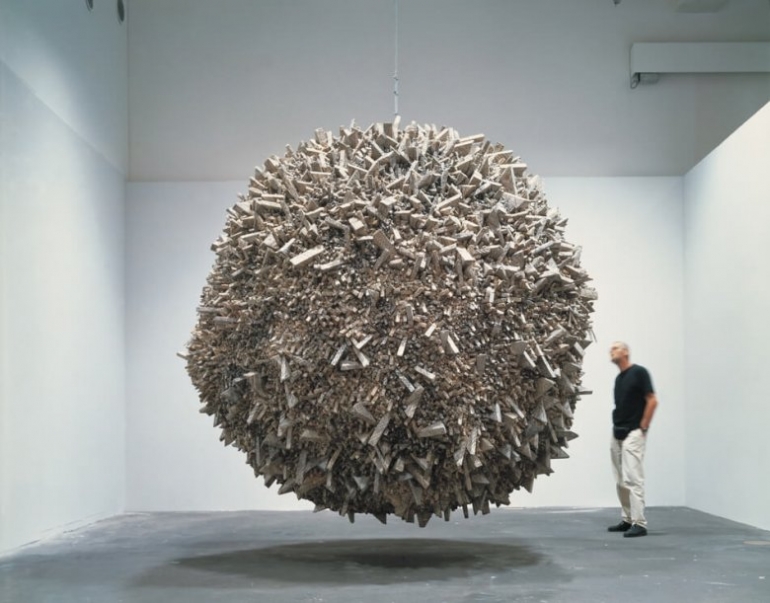
Chun Kwang Young: Times Reimagined
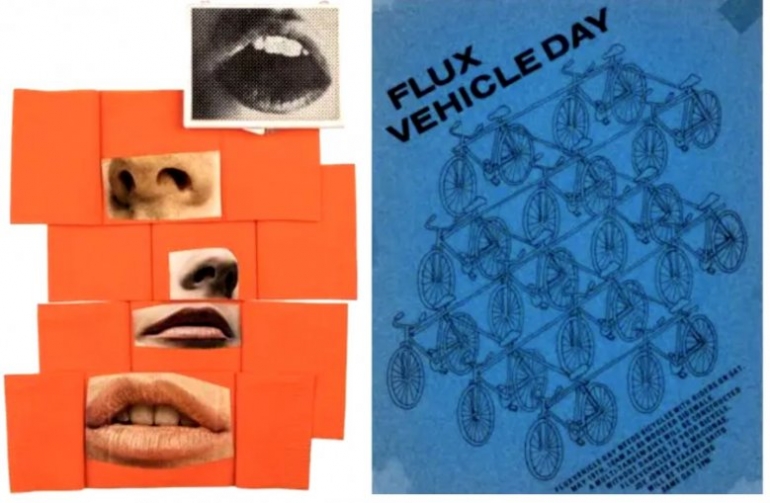
Fluxus New York and Elsewhere